The Benefits of At-Home Teeth Whitening Trays
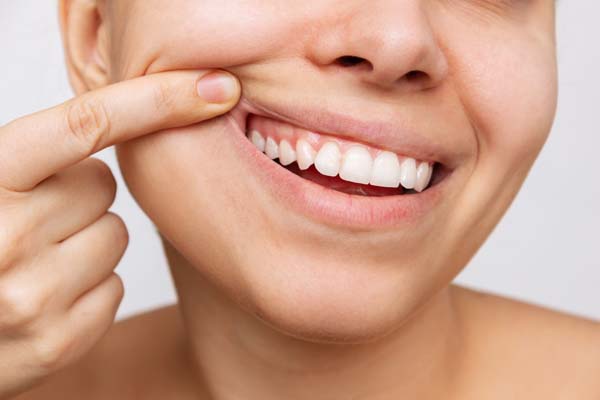
Teeth whitening helps many adults lift everyday stains while keeping appointments simple and predictable. At-home trays use dentist-recommended gel and a snug fit to gradually brighten enamel, supporting comfort and consistency. This approach fits busy routines, allows adjustments along the way, and encourages long-term shade maintenance with periodic touch-ups after professional cleanings.
How teeth whitening trays work
Teeth whitening gel contains ingredients that move through the enamel's microscopic pathways to break apart stain molecules from coffee, tea, red wine, or tobacco. A general, cosmetic, or family dentist evaluates the teeth and gums and any existing dental fillings or crowns, then recommends a tray style and gel concentration to match the goals. They make custom trays using an impression or scan to seal the gel against the teeth and away from the gums, improving even coverage and reducing irritation during teeth whitening.
Benefits of professional teeth whitening trays
Professional at-home trays pair convenience with professional guidance, so each step aligns with oral health and aesthetic goals. Given that the trays sit flush against curved surfaces, the gel contacts more of each tooth than many over-the-counter (OTC) alternatives. Patients also keep trays for future use, which supports affordable maintenance after dental cleanings or before special events. Other benefits include:
- Controlled pacing. Adjust daily wear time or frequency to balance shade change and comfort.
- Uniform contact. Maintain gel against hard-to-reach contours for more even results.
- Sensitivity management. Use desensitizing toothpaste, lower-strength gel, or alternate-day wear.
- Alignment with dental work. Plan whitening before dental restorations, so visible fillings, crowns, or bridges match the final shade.
- Professional oversight. Ask a general, cosmetic, or family dentist if gum irritation or stubborn stains appear.
These advantages help many patients achieve a natural, balanced look rather than a drastic jump, and support steady progress that remains manageable.
Smart use and oral care before, during, and after teeth whitening trays
Contrary to popular belief, not everyone is considered a good candidate for professional teeth whitening. Good candidates show healthy gums, minimal exposed roots, and realistic expectations for shade change over time. The general, cosmetic, or family dentist confirms that cavities or compromised fillings do not need attention, since whitening gel should not contact untreated areas, and crowns or veneers do not change color. During treatment, patients brush before placing trays, use a rice-sized amount of gel per tooth well, and promptly wipe away any excess that touches the gums to reduce irritation.
Aftercare is just as vital as daily habits influence outcomes with teeth whitening. Rinsing with water after coffee or tea, pausing on deeply pigmented (colored) foods during the series, and using fluoride toothpaste all support enamel. After removing trays, gently brush and cool-rinse to remove residual gel, then clean and dry the trays before storing them in their ventilated case. With consistent use and guidance, at-home trays provide a practical path to a brighter smile and ongoing maintenance that fits real life.
Schedule an appointment
A personalized plan starts with an exam to confirm gum health, review existing dental restorations, and tailor tray fit and gel strength for effective, comfortable teeth whitening. The next step includes instruction on application, wear times, and managing sensitivity, so treatment feels clear and achievable. To learn more about professional teeth whitening trays or to schedule an appointment, contact Cooper Dental.
Request an appointment here: https://cooperdentalnj.com or call Cooper Dental at (856) 776-7208 for an appointment in our Lindenwold office.
Check out what others are saying about our dental services on Yelp: Teeth Whitening in Lindenwold, NJ.
Related Posts
A cosmetic dentist frequently helps patients choose between dental bonding and veneers to achieve a brighter, more symmetrical smile. Both procedures effectively resolve many impurities. However, the ideal selection centers on the current condition of the teeth, the specific aesthetic goals, and the desired longevity of the results.Dental bonding comprises a tooth-colored composite resin that…
A dental bridge is often an important tooth-replacement option when one or more teeth are missing in the same area. Gaps in the smile affect chewing, speech, and overall oral health. Over time, missing teeth can also affect jaw alignment and place extra stress on the remaining teeth. Understanding how a bridge works helps patients…
Dentures are one of the more common methods of tooth replacement and they often fall under the category of general dentistry services. Understanding what dentures are and who they are for can help you decide whether they or another type of general dentistry service is right for you.General dentistry services vary for each general dentist.…
Gum disease is a common yet often overlooked condition that affects millions of adults worldwide. It begins subtly, often without noticeable pain, making it a silent threat to both oral and overall health. Left untreated, gum disease can progress from mild inflammation to a severe infection, potentially leading to tooth loss and contributing to other…